
Section Contents:
- Antiarrhythmic Drugs.
- Adrenoceptor agonists.
- Antiplatelets.
- Benzodiazepine antagonist.
- Anaesthetic Agents
- Angina Drugs
- Antithrombotic Drugs
- Fibrinolytics.
- Antihypertensive medication.
- Antidiabetic Drugs.
- Muscle Relaxants.
- Antidepressants.
- Antipsychotics
- Antiepileptics
- Antivirals
- …
Antiarrhythmic Drugs
Lignocaine (Lidocaine)
Classification: amide-type local anaesthetic and Class 1B antiarrhythmic (Shortens Repolarisation) (Kundra & Vinayagam, 2020); (Rossiter, 2022, p. 140).

Amiodarone
Classification: Class 3 antiarrhythmic (Șorodoc et al., 2024); (Rossiter, 2022, p. 142).


Sotalol / Sotalol Hydrochloride
Classification: Class 3 antiarrhythmic, which possesses Class 2 activity (non-selective β-Blocker and K channel blocker) (Rossiter, 2022, p. 143); (Rizkallah & Refaat, 2023).


Adenosine
Classification: Endogenous purine nucleoside autacoid that signals through four G protein-coupled adenosine receptor subtypes: A1, A2A, A2B, and A3 (Borea et al., 2018).


Digoxin
Classification: Cardiac glycoside (Patocka et al., 2020).


mzantsimedics.org
Magnesium Sulphate 50%
Classification: Electrolyte with anticonvulsant, calcium-antagonistic, and NMDA-blocking properties (Marín et al., 2025); (Soleimanpour et al., 2022); (Mathew & Panonnummal, 2021).


Metoprolol tartrate
Classification: cardioselective β1-adrenergic receptor blocker (Hamadeh et al., 2014); (Vinereanu et al., 2020).

Esmolol
Classification: ultra-short-acting, cardioselective β1-adrenergic receptor blocker (Wiest & Haney, 2012); (Rossiter, 2022, p. 164).

Vaughan-Williams Classification of anti-arrhythmic agents
The Vaughan-Williams classification groups anti-arrhythmic agents into 4 according to the predominant electrophysiologic mechanism of action. This classification framework contains limitations (Lei et al., 2018). Class I sodium-channel blockers, Class II beta-blockers, Class III action-potential prolonging drugs, and Class IV calcium-channel blockers. Class I is subdivided into Ia, Ib, and Ic according to effects on action potential duration and sodium-channel (Janse, 1994).
| Class | Mechanism | Example |
|---|---|---|
| Class 1 IA: Prolongs repolarization. IB: Shortens repolarization. IC: No effect on repolarization. | Na channel Blockers | 1-A: Procainamide, Quinidine. 1-B: Lignocaine. 1-C: Flecainide, Propafenone. |
| Class IV | Ca Channel Blockers (Non-dihydropyridine) | Verapamil Diltiazem |
| Class III | K Channel Blockers | Amiodarone Sotalol |
| Class II | β Blockers | Metoprolol Esmolol Propranolol |
____________________________________________________________________________________________________________________________________________________________
mzantsimedics.org
Adrenoceptor agonists
Dobutamine
Classification: β1-Adrenergic receptor agonist; synthetic catecholamine (Farmakis et al., 2019).

(β1 > β2 > α)
| DoButamine | Dopamine | |
|---|---|---|
| Naturality | Synthetic | Natural |
| Receptor affinity | β1 > β2 > α | D1 > β1 > α |
| Vasopressor | No | Yes |
| Noradrenaline secretion | No | Yes |
Dopamine
Classification: kuningi.

(D1 > β1 > α).
Stimulation of NA secretion
| Dose | Receptor | Organ | Effects | Indications |
| 2-5 mcg/kg/min | D1 | – Renal vasculature. – Mesenteric vascular bed | – Renal vasodilation – ↑renal blood flow – ↑GFR – ↑Na excretion | – Congestive Cardiac failure. – Acute Renal Failure |
| 5-10 mcg/kg/min | β1 | – Heart | – ↑ Cardiac contractility(inotropy). – ↑ Heart Rate (chronotropy) | – Congestive Cardiac failure. – Cardiogenic shock. – Septic Shock. |
| 10-20 mcg/kg/min | α1 | – Vascular smooth mm | – Peripheral vasoconstriction. – ↑ BP. | – Acute symptomatic hypotension (Adjunct to fluid resuscitation) |
Adrenaline / Epinephrine
Classification: endogenous catecholamine, sympathomimetic agonist, and non-selective adrenergic receptor agonist (Baker & Summers, 2024); (Motiejunaite et al., 2021); (Xu et al., 2023),(Rossiter, 2022, p. 144).


Receptor affinity β1 = β2; α1 = α2
Isoproterenol
Classification: catecholamine; sympathomimetic nonselective β-adrenergic receptor agonist (Bader Eddin et al., 2025).

(β1 = β2 >>α)
mzantsimedics.org
Phenylephrine
Classification: sympathomimetic α1-adrenergic receptor agonist (Thiele et al., 2011).

________________________________________________________
…
Antiplatelets
Aspirin / ASA (Acetylsalicylic acid)
Classification: platelet aggregation inhibitor; antithrombotic agent; non-steroidal anti-inflammatory drug (Sun et al., 2025), .

…
Clopidogrel
Classification: antiplatelet drug, P2Y12 receptor inhibitor (Thomas et al., 2023).

…
________________________________________________________
Atropine
Classification: Anticholinergic: muscarinic receptor antagonist (Huang et al., 2023).

…
Bevacizumab (Avastin)
Classification: anti-VEGF recombinant humanised IgG1 monoclonal antibody (Russo et al., 2017).

mzantsimedics.org
Charcoal, Activated (Activated Carbon)

mzantsimedics.orgmzantsimedics.org
Diazepam
Classification: long-acting benzodiazepine (Vitukade, 2024); (Dessai et al., 2024). Anxiolytic, anticonvulsant, sedative, hypnotic, and muscle relaxant (Vitukade, 2024).

mzantsimedics.org
Lorazepam
Classification: benzodiazepine (Rundio, 2012). Anxiolytic, anticonvulsant, sedative, hypnotic, and CNS depressant (Rundio, 2012); (Ameer & Greenblatt, 1981).

mzantsimedics.org
Benzodiazepine antagonist
Flumazenil
Classification: competitive benzodiazepine antagonist (Kloeck, 2023, p. 22), (Whitwam & Amrein, 1995), (Rossiter, 2022, p. 457).

mzantsimedics.org
Anaesthetic Agents
Etomidate
Classification: imidazole derivative, non-barbiturate sedative-hypnotic (Zheng et al., 2025), steroidogenesis enzyme inhibitor (Pence et al., 2022).

mzantsimedics.org
Ketamine
Classification: dissociative anaesthetic, NMDA receptor antagonist (Zanos et al., 2018).

mzantsimedics.org
Propofol
Classification: short-acting sedative-hypnotic (Sahinovic et al., 2018), 2,6-diisopropylphenol (Larijani et al., 1989).

Thiopental Sodium
Classification: ultra-short-acting thiobarbiturate (barbituric acid derivative) general anaesthetic (Čižmáriková et al., 2023), (Russo & Bressolle, 1998).

mzantsimedics.org
Furosemide
Classification: Loop diuretic (Xue et al., 2025), (Boles Ponto & Schoenwald, 1990). BCS (Biopharmaceutics Classification System) Class IV (Pham et al., 2023).


mzantsimedics.org
Glucose 50%

mzantsimedics.org
ANGINA
Verapamil / Verapamil hydrochloride
Classification: phenylalkylamine calcium channel blocker (Popović et al., 2020); nondihydropyridine CCB (Eisenberg et al., 2004), Class IV antiarrhythmic drug (Thipe et al., 2023).


Diltiazem
Classification: benzothiazepine calcium channel blocker (Özkaya & Yazganoğlu, 2014); nondihydropyridine CCB (Lee, 2023). Class 4 antiarrhythmic drug (Özkaya & Yazganoğlu, 2014).

| Dihydropyridine CCB | Non-Dihydropyridine CCB | |
| Examples | Amlodipine Felodipine Nifedipine | Verapamil Diltiazem |
| MOA | Blocking active (opened) voltage-gated L-Type Calcium channels. | Blocking closed voltage-gated L-Type Calcium channels. |
| Areas of effects | Vascular smooth muscles – Peripheral arteries | Cardiac conduction system – SA node – AV node |
| Maximum Effects | Vasodilatation – Reduced Blood pressure | – Slow down rate of cardiac contractility. – Slow down rate of cardiac conduction. |
| Effect on Inotropy (contraction strength) | Nil | Reduces |
| Effect on Chronotropy (heart rate / contraction rate) | Nil | Reduces |
| Effect on dromotropy (impulse conduction velocity) | Nil | Reduces |
| Indications | – Hypertension – Angina pectoris – Raynaud’s phenomenon (Nifedipine) – Cerebrovascular events (nimodipine) | – Angina – PSVT – Atrial Fibrillation. – Atrial flutter – Hypertension. |
ANTITHROMBOTICS
Enoxaparin
Classification: unfractionated heparin (UFH) derivative (Hao et al., 2019); Low molecular weight heparin (LMWH) (Imbalzano et al., 2024);

Unfractionated Heparin (UFH)
Classification: unfractionated heparin (UFH).

mzantsimedics.org
Antithrombotic Drugs
Warfarin
Classification: hydroxycoumarin anticoagulant (Hunt & Levi, 2018); Vitamin K antagonist (VKA) (Liu et al., 2022).

Antihaemorrhagic
Antifibrinolytic
Tranexamic Acid
Classification: synthetic lysine-derived analogue antifibrinolytic (Cai et al., 2020).


Vitamin K
Vitamin K1 / Phytomenadione / Phylloquinone (Konakion Injectable)
Classification: fat-soluble (Pawaria et al., 2023) antihemorrhagic vitamin (Simes et al., 2020).


Protamine sulfate (PS)
Classification: unfractionated heparin (UFH) reversal antidote (Levy et al., 2023); cationic arginine-rich polypeptide (protein) (Li, 2019).

mzantsimedics.org
Hypertension
HCT (Hydrochlorothiazide)
Classification: thiazide-type diuretic (benzothiadiazine ring) (Ernst & Fravel, 2022); antihypertensive diuretic (Mendes et al., 2016); Biopharmaceutics Classification System (BCS) Class IV (Mendes et al., 2016).


Indapamide
Classification: thiazide-like diuretic (Ernst & Fravel, 2022); antihypertensive diuretic (Caruso et al., 1983).

Amlodipine
Classification: Dihydropyridine Calcium Channel Blocker (CCB) (Jambhale & Afifa, 2025).

Felodipine
Classification: vascular-selective (Navadiya & Tiwari, 2015) Dihydropyridine Calcium Channel Blocker (CCB) (McDonagh et al., 2025); BCS Class II [low solubility and high permeability] (Fuhr et al., 2022).

Nifedipine
Classification: 1,4-Dihydropyridine Calcium Channel Blocker (Triggle, 2003); L-type calcium channel blocker (Devi Sri et al., 2025).

Captopril
Classification: ACE inhibitor (Kendall et al., 1982). First orally active ACE inhibitor (Heel et al., 1980).


Enalapril / Enalapril maleate
Classification: ACE inhibitor (Seifi et al., 2024); nonsulfhydryl, orally active prodrug (Thind, 1990).


Lisinopril
Classification: ACE inhibitor (Lancaster & Todd, 1988); nonsulfhydryl, orally active prodrug (Thind, 1990).

Candesartan / Candesartan cilexetil
Classification: angiotensin II type 1 receptor antagonist (Michel et al., 2013).

Irbesartan
Classification: angiotensin II type 1 receptor antagonist (Michel et al., 2013).

Losartan / Losartan potassium
Classification: angiotensin II type 1 receptor antagonist (Michel et al., 2013).

Valsartan
Classification: angiotensin II type 1 receptor antagonist (Siddiqui, 2011).

Telmisartan
Classification: angiotensin II type 1 receptor antagonist (Chen et al., 2025).

Amiloride-Hydrochlorothiazide (Combo)
Classification: K-sparring diuretic.
[Adco-Retic]

mzantsimedics.org
Diabetes
Metformin
Classification: biguanide (Singh et al., 2025).

Glibenclamide
Classification: 2nd generation sulfonylurea (Kurland et al., 2013).


Gliclazide
Classification: 2nd Generation Sulfonylurea (Mapa et al., 2020).

Glipizide
Classification: 2nd Generation Sulfonylurea (Lebovitz, 1985).

Glimepiride
Classification: Sulfonylurea (Azhar et al., 2025).

Dapagliflozin
Classification: Sodium-glucose cotransporter-2 (SGLT-2) inhibitor (Plosker, 2012).


Empagliflozin
Classification: Sodium-glucose cotransporter-2 (SGLT-2) inhibitor (Forycka et al., 2022).


mzantsimedics.org
Insulin: Short-Acting Human insulin

mzantsimedics.org
Thyroid Hormones
Levothyroxine Sodium
Classification: synthetic T4 thyroid hormone replacement (Schiavo et al., 2021).

mzantsimedics
Naloxone
Classification: competitive opioid receptor antagonist (Saari et al., 2024).

mzantsimedics.org
Oxytocin
Classification: peptide hormone receptor; uterotonic or oxytocic agent (Hermesch et al., 2024).

ANTIEPILEPTICSzantsimedics.org
Phenobarbital Sodium
Classification: Barbiturate (Laxmi, 2017).

Primidone
Classification: phenobarbital metabolite (Johannessen & Johannessen Landmark, 2020).

Phenytoin
Classification: antiseizure hydantoin derivative (Patocka et al., 2020).

Clobazam
Classification: 1,5-benzodiazepine (Sankar, 2012); (Rossiter, 2022, p. 485).

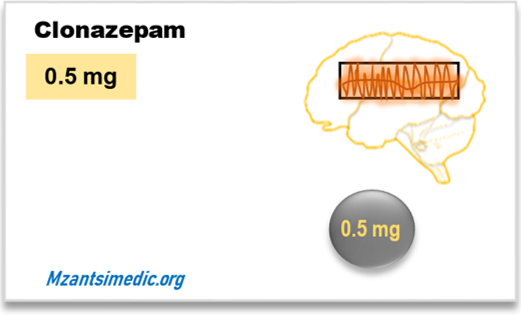
Clonazepam
Classification: 1,4-benzodiazepine (Teli et al., 2023); (Ruiz Ramirez et al., 2025); (Rossiter, 2022, p. 484).


Diazepam
Classification: 1,4-benzodiazepine (Teli et al., 2023); (Rossiter, 2022, p. 485).

Lorazepam
Classification: 1,4-benzodiazepine (Teli et al., 2023); (Rossiter, 2022, p. 485).

Midazolam
Classification: 1,4-benzodiazepine (Teli et al., 2023); (Rossiter, 2022, p. 485).

Carbamazepine
Classification: tricyclic iminostilbene derivative (Rossiter, 2022, p. 486); BCS Class II (García et al., 2021).

Valproic Acid
Classification: antiepileptic drug (AED) or antiseizure (Safdar & Ismail, 2023); Mood stabilising (Diederich et al., 2010) fatty acid (Rossiter, 2022, p. 488);

Antipsychotic Drugs
1st generation (Typical) antipsychotics
Chlorpromazine
Classification: 1st generation antipsychotic (D2 receptor antagonist) (Leucht & Davis, 2022); phenothiazine derivative (Rossiter, 2022, p. 505), (Saha et al., 2016)

Flupentixol
Classification: 1st generation antipsychotic (D2 receptor antagonist); thioxanthene derivative (Rossiter, 2022, p. 505).

Zuclopenthixol
Classification: 1st generation antipsychotic (D2 receptor antagonist); thioxanthene derivative (Rossiter, 2022, p. 505).

Haloperidol
Classification: 1st generation antipsychotic (D2 receptor antagonist); butyrophenone neuroleptic (Rossiter, 2022, p. 505).

Clozapine
Classification: 2nd generation antipsychotics (5HT2A/2C + D2 receptor antagonist) (Solmi et al., 2017); (Rossiter, 2022, p. 509).

Clotiapine
Classification: 2nd generation antipsychotics (5HT2A/2C + D2 receptor antagonist); (Rossiter, 2022, p. 509).

Risperidone
Classification: 2nd generation antipsychotics (5HT2A/2C + D2 receptor antagonist) (Solmi et al., 2017); (Rossiter, 2022, p. 509).

Olanzapine
Classification: 2nd generation antipsychotics (5HT2A/2C + D2 receptor antagonist) (Solmi et al., 2017); (Rossiter, 2022, p. 509)..

Quetiapine
Classification: 2nd generation antipsychotics (5HT2A/2C + D2 receptor antagonist) (Solmi et al., 2017); (Rossiter, 2022, p. 509)..

Atypical antipsychotics / 3rd Gen
Aripiprazole
Classification: Third-generation antipsychotic (Stelmach et al., 2023).
Lithium carbonate
Classification: Mood stabiliser (Nucci et al., 2026); inorganic lithium salt (Lyons & Gossell-Williams, 2024).


Mineral Supplement
Calcium Chloride

Potassium chloride 15%

Sodium Bicarbonate 8.4%

mzantsimedics.org
Corticosteroids
Hydrocortisone
Classification: Natural glucocorticoid (Yang & Yu, 2021), corticosteroid (Kowalska & Szeleszczuk, 2024).

Methylprednisolone
Classification: synthetic glucocorticoid corticosteroid (Zhou et al., 2025).

Prednisone
Classification: synthetic glucocorticoid corticosteroid (Offor et al., 2025).

Betamethasone
Classification: synthetic glucocorticoid corticosteroid (Kochova et al., 2023).

Rivaroxaban (Xarelto)
Classification: selective, direct factor Xa inhibitor (Kreutz, 2012).

Sodium Polystyrene Sulfonate (Kayexalate)
Classification: cation-exchange resin (Varriale & Ngai, 2014); potassium-chelating agent (Labriola & Jadoul, 2020)

mzantsimedics.org
Muscle Relaxation
Suxamethonium Chloride (Succinylcholine chloride)
Classification: depolarizing neuromuscular blocking agent (NMBA) (Alvarellos et al., 2015).

mzantsimedics.org
Atracurium besylate
Classification: benzylisoquinoline non-depolarising neuromuscular blocking agent (NMBA) (Clark-Price, 2022).

mzantsimedics.org
Rocuronium
Classification: aminosteroid, nondepolarizing neuromuscular blocking agent (Bevan, 1994).


mzantsimedics.org
Fibrinolytics
Alteplase
Classification: fibrinolytic thrombolytic (Rashedi et al., 2024); Recombinant tPA thrombolytic (Morrow & Mutch, 2022).


Tenecteplase
Classification: fibrinolytic thrombolytic; genetically engineered tissue plasminogen activator (tPA) (Tanswell et al., 2002).

Reteplase
Classification: fibrinolytic thrombolytic; recombinant plasminogen activator, a mutant of alteplase (Nishanth et al., 2019).
Streptokinase
Classification: fibrinolytic thrombolytic; plasminogen activator (Rashedi et al., 2024); bacterial / microbial plasminogen activator (Adivitiya & Khasa, 2017).

mzantsimedics.org
Antidepressants
Citalopram
Classification: selective serotonin reuptake inhibitor (SSRI) (Edinoff et al., 2021).

Ecitalopram
Classification: selective serotonin reuptake inhibitor (SSRI) (Edinoff et al., 2021)

Fluoxetine
Classification: selective serotonin reuptake inhibitor (SSRI) (Edinoff et al., 2021)

Fluvoxamine
Classification: selective serotonin reuptake inhibitor (SSRI) (Edinoff et al., 2021).

Paroxetine
Classification: selective serotonin reuptake inhibitor (SSRI) (Edinoff et al., 2021).


Sertraline
Classification: selective serotonin reuptake inhibitor (SSRI) (Edinoff et al., 2021).

Amitriptyline hydrochloride
Classification: TCA antidepressant (Jørgensen et al., 2021).

Clomipramine
Classification: TCA antidepressant (Jørgensen et al., 2021).

Imipramine hydrochloride
Classification: TCA antidepressant (Jørgensen et al., 2021).

Trimipramine
Classification: TCA antidepressant (Jørgensen et al., 2021).

Dosulepin
Classification: TCA antidepressant(Jørgensen et al., 2021).

| . | Tricyclic Antidepressants (TCA) | Selective Serotonin Reuptake Inhibitors (SSRI) |
|---|---|---|
| MOA | Inhibit the re-uptake of both NA and 5-HT at presynaptic terminal membrane. This results in increased levels of NA and 5-HT in the synaptic cleft. | Only Inhibit the re-uptake of 5-HT at presynaptic terminal membrane |
| Example | – Amitriptyline hydrochloride – Clomipramine hydrochloride – Imipramine hydrochloride – Trimipramine – Dosulepin | – Citalopram – Imipramine hydrochloride – Escitalopram – Trimipramine – Dosulepin |
5-HT = 5-Hydroxytrptamine (Serotonin); NA = Noradrenaline
mzantsimedics.org
Antimalarials
Mefloquine
Classification: quinoline-based (Mereddy & Ronayne, 2018) chemoprophylaxis (Jong & Nothdurft, 2001).

Atovaquone/Proguanil
Classification: fixed dose combination (McKeage & Scott, 2003); Chemoprophylaxis (Jong & Nothdurft, 2001); Atovaquone is a naphthoquinone (Baggish & Hill, 2002) and Proguanil is a biguanide derivative (LakshmanaRao, 2017).

Doxycycline
Classification: Tetracycline antibiotic (Holmes & Charles, 2009); Chemoprophylaxis (Jong & Nothdurft, 2001).

Artemether/Lumefantrine
Classification: artemisinin-based combination therapy (ACT) (Makanga & Krudsood, 2009). Artemether is an artemisinin derivative (Patel et al., 2012) and Lumefantrine is a aryl-amino alcohol.

Artesunate
Classification: artemisinin derivative (Kouakou et al., 2019).

Vaccines
Hepatitis A inactivated vaccine


Hepatitis B vaccine


ANTIVIRALS
Oseltamivir (Tamiflu)
Classification: neuraminidase (sialidase) inhibitor.

Zanamivir (Relenza)
Classification: neuraminidase (sialidase) inhibitor.

Acyclovir
Classification: Nucleoside analogue.


Famciclovir
Classification: Nucleoside analogue.

Ganciclovir
Classification: Nucleoside analogue.

Valaciclovir
Classification: Nucleoside analogue.

Intravenous fluids
Sodium chloride 0.9%

Hypertonic Saline

| Abbreviation | Latin | English |
|---|---|---|
| a.c. | ante cibum | Before Food. |
| b.d. | bis die | Twice daily. |
| o.d. | omni die | Every day. |
| o.m. | omni mane | Every morning. |
| o.n. | omni nocte | Every night. |
| p.c. | post cibum | After food |
| p.r.n. | pro re nata | When required. |
| q.d.s | quater die sumendus | To be taken 4 times daily. |
| q.i.d. | quater in die | 4 times daily. |
| stat | statim | Immediately. |
| t.d.s | ter die sumendus | To be taken 3 times daily. |
| t.i.d. | ter in die | 3 times daily. |
…
| REFENCES |
|---|
| Adivitiya, & Khasa, Y. P. (2017). The evolution of recombinant thrombolytics: Current status and future directions. Bioengineered, 8(4), 331–358. https://doi.org/10.1080/21655979.2016.1229718 Alvarellos, M. L., McDonagh, E. M., Patel, S., McLeod, H. L., Altman, R. B., & Klein, T. E. (2015). PharmGKB summary: succinylcholine pathway, pharmacokinetics/pharmacodynamics: Succinylcholine pathway, pharmacokinetics/pharmacodynamics. Pharmacogenetics and Genomics, 25(12), 622–630. https://doi.org/10.1097/FPC.0000000000000170 Ameer, B., & Greenblatt, D. J. (1981). Lorazepam: A review of its clinical pharmacological properties and therapeutic uses. Drugs, 21(3), 161–200. https://doi.org/10.2165/00003495-198121030-00001 Azhar, M., Alasmari, M. S., Zamir, A., Saeed, H., Alqahtani, F., Ahmad, T., & Rasool, M. F. (2025). The clinical pharmacokinetics and pharmacodynamics of glimepiride-A systematic review and meta-analysis. Pharmaceuticals (Basel, Switzerland), 18(1), 122. https://doi.org/10.3390/ph18010122 Bader Eddin, L., Nagoor Meeran, M. F., Kumar Jha, N., Goyal, S. N., & Ojha, S. (2025). Isoproterenol mechanisms in inducing myocardial fibrosis and its application as an experimental model for the evaluation of therapeutic potential of phytochemicals and pharmaceuticals. Animal Models and Experimental Medicine, 8(1), 67–91. https://doi.org/10.1002/ame2.12496 Baker, J. G., & Summers, R. J. (2024). Adrenoceptors: Receptors, ligands and their clinical uses, molecular pharmacology and assays. Handbook of Experimental Pharmacology, 285, 55–145. https://doi.org/10.1007/164_2024_713 Bevan, D. R. (1994). Newer neuromuscular blocking agents. Pharmacology & Toxicology, 74(1), 3–9. https://doi.org/10.1111/j.1600-0773.1994.tb01065.x Boles Ponto, L. L., & Schoenwald, R. D. (1990). Furosemide (Frusemide): A Pharmacokinetic/Pharmacodynamic Review (Part I)1. Clinical Pharmacokinetics, 18(5), 381–408. https://doi.org/10.2165/00003088-199018050-00004 Borea, P. A., Gessi, S., Merighi, S., Vincenzi, F., & Varani, K. (2018). Pharmacology of adenosine receptors: The state of the art. Physiological Reviews, 98(3), 1591–1625. https://doi.org/10.1152/physrev.00049.2017 Cai, J., Ribkoff, J., Olson, S., Raghunathan, V., Al-Samkari, H., DeLoughery, T. G., & Shatzel, J. J. (2020). The many roles of tranexamic acid: An overview of the clinical indications for TXA in medical and surgical patients. European Journal of Haematology, 104(2), 79–87. https://doi.org/10.1111/ejh.13348 Caruso, F. S., Szabadi, R. R., & Vukovich, R. A. (1983). Pharmacokinetics and clinical pharmacology of indapamide. American heart journal, 106(1), 212-220. Chen, T.-Y., Lin, Y.-C., Liu, G.-Y., & Hung, H.-C. (2025). Comparative effectiveness of telmisartan vs. other angiotensin receptor blockers in reducing hypertension-related cerebrovascular and cardiovascular events: a real-world retrospective study using the TriNetX network. Frontiers in Cardiovascular Medicine, 12, 1715032. https://doi.org/10.3389/fcvm.2025.1715032 Čižmáriková, R., Habala, L., & Markulia, M. (2023). General intravenous anesthetics-pharmacodynamics, pharmacokinetics and chiral properties. Ceska a Slovenska Farmacie: Casopis Ceske Farmaceuticke Spolecnosti a Slovenske Farmaceuticke Spolecnosti, 72(4), 155-164. Dessai, S., Ninave, S., & Bele, A. (2024). The rise of remimazolam: A review of pharmacology, clinical efficacy, and safety profiles. Cureus, 16(3), e57260. https://doi.org/10.7759/cureus.57260 Devi Sri, C., Beeraka, N. M., P R, H. V., Bidye, D. P., Kumar, B. R. P., Nikolenko, V. N., & Bannimath, G. (2025). Updates on intrinsic medicinal chemistry of 1,4-dihydropyridines, perspectives on synthesis and pharmacokinetics of novel 1,4-dihydropyrimidines as calcium channel blockers: Clinical pharmacology. Current Topics in Medicinal Chemistry, 25(11), 1351–1376. https://doi.org/10.2174/0115680266323908241114064318 Edinoff, A. N., Akuly, H. A., Hanna, T. A., Ochoa, C. O., Patti, S. J., Ghaffar, Y. A., Kaye, A. D., Viswanath, O., Urits, I., Boyer, A. G., Cornett, E. M., & Kaye, A. M. (2021). Selective serotonin reuptake inhibitors and adverse effects: A narrative review. Neurology International, 13(3), 387–401. https://doi.org/10.3390/neurolint13030038 Farmakis, D., Agostoni, P., Baholli, L., Bautin, A., Comin-Colet, J., Crespo-Leiro, M. G., Fedele, F., García-Pinilla, J. M., Giannakoulas, G., Grigioni, F., Gruchała, M., Gustafsson, F., Harjola, V.-P., Hasin, T., Herpain, A., Iliodromitis, E. K., Karason, K., Kivikko, M., Liaudet, L., … Parissis, J. (2019). A pragmatic approach to the use of inotropes for the management of acute and advanced heart failure: An expert panel consensus. International Journal of Cardiology, 297, 83–90. https://doi.org/10.1016/j.ijcard.2019.09.005 Forycka, J., Hajdys, J., Krzemińska, J., Wilczopolski, P., Wronka, M., Młynarska, E., Rysz, J., & Franczyk, B. (2022). New insights into the use of empagliflozin-A comprehensive review. Biomedicines, 10(12), 3294. https://doi.org/10.3390/biomedicines10123294 Fuhr, L. M., Marok, F. Z., Mees, M., Mahfoud, F., Selzer, D., & Lehr, T. (2022). A physiologically based pharmacokinetic and pharmacodynamic model of the CYP3A4 substrate felodipine for drug-drug interaction modeling. Pharmaceutics, 14(7), 1474. https://doi.org/10.3390/pharmaceutics14071474 García, M. A., Cristofoletti, R., Abrahamsson, B., Groot, D. W., Parr, A., Polli, J. E., Mehta, M., Shah, V. P., Tomakazu, T., Dressman, J. B., & Langguth, P. (2021). Biowaiver monograph for immediate-release solid oral dosage forms: Carbamazepine. Journal of Pharmaceutical Sciences, 110(5), 1935–1947. https://doi.org/10.1016/j.xphs.2021.02.019 Hao, C., Sun, M., Wang, H., Zhang, L., & Wang, W. (2019). Low molecular weight heparins and their clinical applications. Progress in Molecular Biology and Translational Science, 163, 21–39. https://doi.org/10.1016/bs.pmbts.2019.02.003 Heel, R. C., Brogden, R. N., Speight, T. M., & Avery, G. S. (1980). Captopril: A preliminary review of its pharmacological properties and therapeutic efficacy. Drugs, 20(6), 409–452. https://doi.org/10.2165/00003495-198020060-00001 Hermesch, A. C., Kernberg, A. S., Layoun, V. R., & Caughey, A. B. (2024). Oxytocin: physiology, pharmacology, and clinical application for labor management. American Journal of Obstetrics and Gynecology, 230(3S), S729–S739. https://doi.org/10.1016/j.ajog.2023.06.041 Holmes, N. E., & Charles, P. G. P. (2009). Safety and efficacy review of doxycycline. Clinical Medicine. Therapeutics, 1, CMT.S2035. https://doi.org/10.4137/cmt.s2035 Huang, H., Yang, Q., Liu, C., Huang, C., Yang, L., Lei, Y., & Tang, G. (2023). Application of atropine injection in the treatment of ruminant diseases. Animal and Veterinary Sciences. https://doi.org/10.11648/j.avs.20231101.15 Hunt, B. J., & Levi, M. (2018). Urgent reversal of vitamin K antagonists. BMJ (Clinical Research Ed.), 360, j5424. https://doi.org/10.1136/bmj.j5424 Imbalzano, E., Orlando, L., Dattilo, G., Gigliotti De Fazio, M., Camporese, G., Russo, V., Perrella, A., Bernardi, F. F., & Di Micco, P. (2024). Update on the pharmacological actions of enoxaparin in nonsurgical patients. Medicina (Kaunas, Lithuania), 60(1), 156. https://doi.org/10.3390/medicina60010156 Jambhale, B., & Afifa, S. (2025). Amlodipine: A Review of its Antihypertensive Action and ADR monitoring. International Journal For Multidisciplinary Research, 7(6). https://doi.org/10.36948/ijfmr.2025.v07i06.62140 Janse, M. J. (1994). Classification of antiarrhythmic drugs in relation to mechanisms of arrhythmias. In Cardiac Pacing and Electrophysiology (pp. 23–30). Springer Netherlands. Johannessen, S. I., & Johannessen Landmark, C. (2020). Anti-Convulsant Agents: Phenobarbital and Primidone. In NeuroPsychopharmacotherapy (pp. 1–10). Springer International Publishing. Jong, E. C., & Nothdurft, H. D. (2001). Current drugs for antimalarial chemoprophylaxis: a review of efficacy and safety. Journal of Travel Medicine, 8(Suppl 3), S48-56. https://doi.org/10.2310/7060.2001.23964 Jørgensen, C. K., Juul, S., Siddiqui, F., Barbateskovic, M., Munkholm, K., Hengartner, M. P., Kirsch, I., Gluud, C., & Jakobsen, J. C. (2021). Tricyclic antidepressants versus “active placebo”, placebo or no intervention for adults with major depressive disorder: a protocol for a systematic review with meta-analysis and Trial Sequential Analysis. Systematic Reviews, 10(1), 227. https://doi.org/10.1186/s13643-021-01789-0 Kendall, M. J., Smith, S. R., & Thomson, M. H. (1982). Captopril–a new treatment for severe congestive heart failure. Journal of Clinical and Hospital Pharmacy, 7(4), 231–244. https://doi.org/10.1111/j.1365-2710.1982.tb01028.x Kloeck, W. G. J. (Ed.). (2023). A guide to the management of common medical emergencies in adults (13th ed.). Academy of Advanced Life Support. Kochova, K., Slaveska Spirevska, I., Petrovska, E., Grncharoska, K., Prculovska, M., Nikoloska, M., Shavrevska Dujovska, H., & Tegova, V. (2023). Determination of betamethasone residues on manufacturing equipment surfaces and PDE calculation in cleaning validation processes. Makedonsko Farmacevtski Bilten, 69(03), 237–238. https://doi.org/10.33320/maced.pharm.bull.2023.69.03.116 Kowalska, A., & Szeleszczuk, Ł. (2024). Cyclodextrin inclusion complexes with hydrocortisone-type corticosteroids. Pharmaceutics, 16(12), 1544. Kouakou, Y. I., Tod, M., Leboucher, G., Lavoignat, A., Bonnot, G., Bienvenu, A.-L., & Picot, S. (2019). Systematic review of artesunate pharmacokinetics: Implication for treatment of resistant malaria. International Journal of Infectious Diseases: IJID: Official Publication of the International Society for Infectious Diseases, 89, 30–44. https://doi.org/10.1016/j.ijid.2019.08.030 Kreutz, R. (2012). Pharmacodynamic and pharmacokinetic basics of rivaroxaban: Pharmacodynamic and pharmacokinetic basics of rivaroxaban. Fundamental & Clinical Pharmacology, 26(1), 27–32. https://doi.org/10.1111/j.1472-8206.2011.00981.x Kundra, P., & Vinayagam, S. (2020). Perioperative intravenous lidocaine: Crossing local boundaries and reaching systemic horizons. Indian Journal of Anaesthesia, 64(5), 363–365. https://doi.org/10.4103/ija.IJA_431_20 Kurland, D. B., Tosun, C., Pampori, A., Karimy, J. K., Caffes, N. M., Gerzanich, V., & Simard, J. M. (2013). Glibenclamide for the treatment of acute CNS injury. Pharmaceuticals (Basel, Switzerland), 6(10), 1287–1303. https://doi.org/10.3390/ph6101287 Labriola, L., & Jadoul, M. (2020). Sodium polystyrene sulfonate: still news after 60 years on the market. Nephrology, Dialysis, Transplantation: Official Publication of the European Dialysis and Transplant Association – European Renal Association, 35(9), 1455–1458. https://doi.org/10.1093/ndt/gfaa004 LakshmanaRao, A., Prasanthi, T., & Fazeela, T. (2017). Development and Validation for Simultaneous Estimation of Proguanil and Atovaquone by using RP-HPLC. International Journal of Analytical Techniques, 3(2), 1-10. Lancaster, S. G., & Todd, P. A. (1988). Lisinopril: A preliminary review of its pharmacodynamic and pharmacokinetic properties, and therapeutic use in hypertension and congestive heart failure. Drugs, 35(6), 646–669. https://doi.org/10.2165/00003495-198835060-00003 Larijani, G. E., Gratz, I., Afshar, M., & Jacobi, A. G. (1989). Clinical pharmacology of propofol: an intravenous anesthetic agent. DICP: The Annals of Pharmacotherapy, 23(10), 743–749. https://doi.org/10.1177/106002808902301001 Laxmi, K. (2017). Chemsketch study of phenobarbital: An antiepileptic drug. International Journal of Computational and Theoretical Chemistry, 5(3), 25. https://doi.org/10.11648/j.ijctc.20170503.11 Lebovitz, H. E. (1985). Glipizide: a second-generation sulfonylurea hypoglycemic agent. Pharmacology, pharmacokinetics and clinical use. Pharmacotherapy, 5(2), 63–77. https://doi.org/10.1002/j.1875-9114.1985.tb03405.x Lei, M., Wu, L., Terrar, D. A., & Huang, C. L.-H. (2018). Modernized classification of cardiac antiarrhythmic drugs. Circulation, 138(17), 1879–1896. https://doi.org/10.1161/CIRCULATIONAHA.118.035455 Levy, J. H., Ghadimi, K., Kizhakkedathu, J. N., & Iba, T. (2023). What’s fishy about protamine? Clinical use, adverse reactions, and potential alternatives. Journal of Thrombosis and Haemostasis, 21(7), 1714–1723. https://doi.org/10.1016/j.jtha.2023.04.005 Liu, S., Shen, G., & Li, W. (2022). Structural and cellular basis of vitamin K antagonism. Journal of Thrombosis and Haemostasis, 20(9), 1971–1983. https://doi.org/10.1111/jth.15800 Li, T., & Dou, G. (2019). Druggability evaluation of a protamine‐like peptide. The FASEB Journal, 33(S1), 670-10. Lyons, C., & Gossell-Williams, M. (2024). Lithium carbonate-induced confusional state in patients with bipolar disorder: identification of case reports and review of the evidence. Caribbean Medical Journal. https://doi.org/10.48107/cmj.2024.03.001 Makanga, M., & Krudsood, S. (2009). The clinical efficacy of artemether/lumefantrine (Coartem). Malaria Journal, 8 Suppl 1(Suppl 1), S5. https://doi.org/10.1186/1475-2875-8-S1-S5 Mapa, B. de C., Araújo, L. U., Silva-Barcellos, N. M., Caldeira, T. G., & Souza, J. (2020). Gliclazide: Biopharmaceutics characteristics to discuss the biowaiver of immediate and extended release tablets. Applied Sciences (Basel, Switzerland), 10(20), 7131. https://doi.org/10.3390/app10207131 Marín, R., Abad, C., Rojas, D., Fernández, M., & Ruette, F. (2025). Magnesium sulfate in oxidative stress-associated pathologies: clinical, cellular, and molecular perspectives. Biophysical Reviews, 17(2), 511–535. https://doi.org/10.1007/s12551-025-01292-z Mathew, A. A., & Panonnummal, R. (2021). ’Magnesium’-the master cation-as a drug-possibilities and evidences. Biometals: An International Journal on the Role of Metal Ions in Biology, Biochemistry, and Medicine, 34(5), 955–986. https://doi.org/10.1007/s10534-021-00328-7 McDonagh, M. S., Eden, K. B., & Peterson, K. (2005). Drug class review: calcium channel blockers: final report [Internet]. McKeage, K., & Scott, L. J. (2003). Atovaquone/Proguanil: A Review of its Use for the Prophylaxis of Plasmodium falciparum Malaria. Drugs, 63(6), 597–623. https://doi.org/10.2165/00003495-200363060-00006 Mendes, C., Buttchevitz, A., Kruger, J. H., Kratz, J. M., Simões, C. M. O., de Oliveira Benedet, P., Oliveira, P. R., & Silva, M. A. S. (2016). Inclusion complexes of hydrochlorothiazide and β-cyclodextrin: Physicochemical characteristics, in vitro and in vivo studies. European Journal of Pharmaceutical Sciences: Official Journal of the European Federation for Pharmaceutical Sciences, 83, 71–78. https://doi.org/10.1016/j.ejps.2015.12.015 Michel, M. C., Foster, C., Brunner, H. R., & Liu, L. (2013). A systematic comparison of the properties of clinically used angiotensin II type 1 receptor antagonists. Pharmacological Reviews, 65(2), 809–848. https://doi.org/10.1124/pr.112.007278 Morrow, G. B., & Mutch, N. J. (2022). Removing plasmin from the equation – Something to chew on…. Journal of Thrombosis and Haemostasis, 20(2), 280–284. https://doi.org/10.1111/jth.15590 Motiejunaite, J., Amar, L., & Vidal-Petiot, E. (2021, June). Adrenergic receptors and cardiovascular effects of catecholamines. In Annales d’endocrinologie (Vol. 82, No. 3-4, pp. 193-197). Elsevier Masson. Navadiya, K., & Tiwari, S. (2015). Pharmacology, efficacy and safety of felodipine with a focus on hypertension and angina pectoris. Current Drug Safety, 10(3), 194–201. https://doi.org/10.2174/1574886310666150514114619 Nishanth, K. R., Math, R. S., Shankar, M., Ravindranath, K. S., & Manjunath, C. N. (2019). Thrombolysis with reteplase in acute pulmonary embolism. Indian Heart Journal, 71(6), 464–467. https://doi.org/10.1016/j.ihj.2019.09.011 Nucci, G. K. V., Melo, E. S. de P., Ancel, M. A. P., Guizzo, D. C., Vargas, K. F. M., de Oliveira, M., Vilela, M. L. B., & do Nascimento, V. A. (2026). The effectiveness of lithium in the treatment of bipolar disorder and its potential health risk. Psychiatry International, 7(1), 11. https://doi.org/10.3390/psychiatryint7010011 Offor, S. J., Iyanam, V. E., Akpanowo, E. M., & Ndubuisi-Nnaji, U. U. (2025). Balancing the Therapeutic and Adverse Effects of Oral Prednisone/Prednisolone: A Systematic Review. Journal of Advances in Medical and Pharmaceutical Sciences, 27(10), 46-61. Özkaya, E., & Yazganoğlu, K. D. (2014). Calcium channel blockers. In Adverse Cutaneous Drug Reactions to Cardiovascular Drugs (pp. 129–142). Springer London. Patocka, J., Nepovimova, E., Wu, W., & Kuca, K. (2020). Digoxin: Pharmacology and toxicology-A review. Environmental Toxicology and Pharmacology, 79(103400), 103400. https://doi.org/10.1016/j.etap.2020.103400 Patel, A., Lodha, A., Chaudhuri, J., Jadia, P., Joshi, T., & Dalal, J. (2012). Formulation, process development and evaluation of artemether and lumefantrine soft gelatin capsule. Journal of Pharmacy & Bioallied Sciences, 4(Suppl 1), S98–S100. https://doi.org/10.4103/0975-7406.94155 Patocka, J., Wu, Q., Nepovimova, E., & Kuca, K. (2020). Phenytoin – An anti-seizure drug: Overview of its chemistry, pharmacology and toxicology. Food and Chemical Toxicology: An International Journal Published for the British Industrial Biological Research Association, 142(111393), 111393. https://doi.org/10.1016/j.fct.2020.111393 Pawaria, A., Das, M. C., & Sood, V. (2023). Vitamin K and glucose-6-phosphate dehydrogenase deficiency: A perspective. Annals of Pediatric Gastroenterology and Hepatology ISPGHAN, 5(3), 47–51. https://doi.org/10.5005/jp-journals-11009-0133 Pence, A., McGrath, M., Lee, S. L., & Raines, D. E. (2022). Pharmacological management of severe Cushing’s syndrome: the role of etomidate. Therapeutic Advances in Endocrinology and Metabolism, 13, 20420188211058583. https://doi.org/10.1177/20420188211058583 Pham, D. T., Nguyen, T. L., Nguyen, T. T. L., Nguyen, T. T. P., Ho, T. K., Nguyen, N. Y., Tran, V. D., & Ha, T. K. Q. (2023). Polyethylenimine-functionalized fibroin nanoparticles as a potential oral delivery system for BCS class-IV drugs, a case study of furosemide. Journal of Materials Science, 58(23), 9660–9674. https://doi.org/10.1007/s10853-023-08640-y Plosker, G. L. (2012). Dapagliflozin: a review of its use in type 2 diabetes mellitus. Drugs, 72(17), 2289-2312. Popović, N., Morales-Delgado, N., Vidal Mena, D., Alonso, A., Pascual Martínez, M., Caballero Bleda, M., & Popović, M. (2020). Verapamil and Alzheimer’s disease: Past, present, and future. Frontiers in Pharmacology, 11, 562. https://doi.org/10.3389/fphar.2020.00562 Rashedi, S., Greason, C. M., Sadeghipour, P., Talasaz, A. H., O’Donoghue, M. L., Jimenez, D., Monreal, M., Anderson, C. D., Elkind, M. S. V., Kreuziger, L. M. B., Lang, I. M., Goldhaber, S. Z., Konstantinides, S. V., Piazza, G., Krumholz, H. M., Braunwald, E., & Bikdeli, B. (2024). Fibrinolytic agents in thromboembolic diseases: Historical perspectives and approved indications. Seminars in Thrombosis and Hemostasis, 50(5), 773–789. https://doi.org/10.1055/s-0044-1781451 Rizkallah, D. H., & Refaat, M. M. (2023). Safety and effect on length of stay of intravenous sotalol initiation for arrhythmia management. Journal of Cardiovascular Electrophysiology, 34(5), 1324–1325. https://doi.org/10.1111/jce.15852 Rossiter, D. (Ed.). (2022). South African medicines formulary (14th ed.). South African Medical Association. Ruiz Ramirez, J. C., Talsi Hamdani, I., Bermúdez Gazquez, L., Viney, A. C., & Alonso Herreros, J. M. (2025). Stability studies of clonazepam 2.5 mg/mL oral solution and 1 mg/mL parenteral solution in pre-filled polypropylene syringes. Pharmaceutics, 17(10), 1302. https://doi.org/10.3390/pharmaceutics17101302 Rundio, A. (2012). Ativan (Lorazepam). Journal of Addictions Nursing, 23(2), 141-142. Russo, A. E., Priolo, D., Antonelli, G., Libra, M., McCubrey, J. A., & Ferraù, F. (2017). Bevacizumab in the treatment of NSCLC: patient selection and perspectives. Lung Cancer (Auckland, N.Z.), 8, 259–269. https://doi.org/10.2147/LCTT.S110306 Russo, H., & Bressolle, F. (1998). Pharmacodynamics and pharmacokinetics of thiopental. Clinical Pharmacokinetics, 35(2), 95–134. https://doi.org/10.2165/00003088-199835020-00002 Saari, T. I., Strang, J., & Dale, O. (2024). Clinical pharmacokinetics and pharmacodynamics of naloxone. Clinical Pharmacokinetics, 63(4), 397–422. https://doi.org/10.1007/s40262-024-01355-6 Safdar, A., & Ismail, F. (2023). A comprehensive review on pharmacological applications and drug-induced toxicity of valproic acid. Saudi Pharmaceutical Journal: SPJ: The Official Publication of the Saudi Pharmaceutical Society, 31(2), 265–278. https://doi.org/10.1016/j.jsps.2022.12.001 Saha, K. B., Bo, L., Zhao, S., Xia, J., Sampson, S., & Zaman, R. U. (2016). Chlorpromazine versus atypical antipsychotic drugs for schizophrenia. Cochrane Database of Systematic Reviews, 4(4), CD010631. https://doi.org/10.1002/14651858.CD010631.pub2 Sahinovic, M. M., Struys, M. M. R. F., & Absalom, A. R. (2018). Clinical pharmacokinetics and pharmacodynamics of propofol. Clinical Pharmacokinetics, 57(12), 1539–1558. https://doi.org/10.1007/s40262-018-0672-3 Sankar, R. (2012). GABA(A) receptor physiology and its relationship to the mechanism of action of the 1,5-benzodiazepine clobazam. CNS Drugs, 26(3), 229–244. https://doi.org/10.2165/11599020-000000000-00000 Schiavo, L., Giosuè, A., Izzo, V., Piaz, F. D., Filippelli, A., & Pilone, V. (2021). Liquid levothyroxine sodium therapy improves pharmacologic thyroid-stimulating hormone homeostasis in patients with reduced efficacy for tablet levothyroxine sodium after sleeve gastrectomy. A case report. Obesity Surgery, 31(10), 4649–4652. https://doi.org/10.1007/s11695-021-05518-3 Siddiqui, N., Husain, A., Chaudhry, L., Alam, M. S., Mitra, M., & Bhasin, P. S. (2011). Pharmacological and pharmaceutical profile of valsartan: a review. Journal of Applied Pharmaceutical Science, (Issue), 12-19. Simes, D. C., Viegas, C. S. B., Araújo, N., & Marreiros, C. (2020). Vitamin K as a diet supplement with impact in human health: Current evidence in age-related diseases. Nutrients, 12(1), E138. https://doi.org/10.3390/nu12010138 Singh, N., PratimaKatiyar, P., Kalpana, K., & Sonker, P. (2025). Biguanide scaffold: Chemistry, stability and pharmacophoric features for drug discovery. Journal of Neonatal Surgery, 14(9S), 126–135. https://doi.org/10.52783/jns.v14.2637 Soleimanpour, H., Imani, F., Dolati, S., Soleimanpour, M., & Shahsavarinia, K. (2022). Management of pain using magnesium sulphate: a narrative review. Postgraduate Medicine, 134(3), 260–266. https://doi.org/10.1080/00325481.2022.2035092 Solmi, M., Murru, A., Pacchiarotti, I., Undurraga, J., Veronese, N., Fornaro, M., Stubbs, B., Monaco, F., Vieta, E., Seeman, M. V., Correll, C. U., & Carvalho, A. F. (2017). Safety, tolerability, and risks associated with first- and second-generation antipsychotics: a state-of-the-art clinical review. Therapeutics and Clinical Risk Management, 13, 757–777. https://doi.org/10.2147/TCRM.S117321 Șorodoc, V., Indrei, L., Dobroghii, C., Asaftei, A., Ceasovschih, A., Constantin, M., Lionte, C., Morărașu, B. C., Diaconu, A.-D., & Șorodoc, L. (2024). Amiodarone therapy: Updated practical insights. Journal of Clinical Medicine, 13(20), 6094. https://doi.org/10.3390/jcm13206094 Stelmach, A., Guzek, K., Rożnowska, A., Najbar, I., & Sadakierska-Chudy, A. (2023). Antipsychotic drug-aripiprazole against schizophrenia, its therapeutic and metabolic effects associated with gene polymorphisms. Pharmacological Reports, 75(1), 19–31. https://doi.org/10.1007/s43440-022-00440-6 Sun, M., Yu, J., Wan, J., Dou, X., Chen, X., & Ye, F. (2025). Role of aspirin in cancer prevention. Cancer Treatment and Research Communications, 43(100884), 100884. https://doi.org/10.1016/j.ctarc.2025.100884 Tanswell, P., Modi, N., Combs, D., & Danays, T. (2002). Pharmacokinetics and pharmacodynamics of tenecteplase in fibrinolytic therapy of acute myocardial infarction. Clinical Pharmacokinetics, 41(15), 1229–1245. https://doi.org/10.2165/00003088-200241150-00001 Teli, S., Teli, P., Soni, S., Sahiba, N., & Agarwal, S. (2023). Synthetic aspects of 1,4- and 1,5-benzodiazepines using o-phenylenediamine: a study of past quinquennial. RSC Advances, 13(6), 3694–3714. https://doi.org/10.1039/d2ra06045k Thind, G. S. (1990). Angiotensin converting enzyme inhibitors: comparative structure, pharmacokinetics, and pharmacodynamics. Cardiovascular Drugs and Therapy, 4(1), 199–206. https://doi.org/10.1007/bf01857634 Thipe, S. S., Sawale, A. V., Muneshwar, S. D., Gulhane, S. A., & Gahukar, S. S. (2023). Formulation and evaluation of Buccoadhesive Tablet of verapamil hydrochloride for the treatment of hypertension. Journal of Drug Delivery and Therapeutics, 13(7), 15–21. https://doi.org/10.22270/jddt.v13i7.6122 Thomas, C. D., Williams, A. K., Lee, C. R., & Cavallari, L. H. (2023). Pharmacogenetics of P2Y12 receptor inhibitors. Pharmacotherapy, 43(2), 158–175. https://doi.org/10.1002/phar.2758 Triggle, D. J. (2003). The 1,4-dihydropyridine nucleus: a pharmacophoric template part 1. Actions at ion channels. Mini Reviews in Medicinal Chemistry, 3(3), 215–223. https://doi.org/10.2174/1389557033488141 Varriale, P., & Ngai, L. (2014). Sodium polystyrene sulfonate use revisited. The American Journal of Medicine, 127(8), e37. https://doi.org/10.1016/j.amjmed.2013.10.022 Vinereanu, D., Spinar, J., Pathak, A., & Kozlowski, D. (2020). Role of metoprolol succinate in the treatment of heart failure and atrial fibrillation: A systematic review: A systematic review. American Journal of Therapeutics, 27(2), e183–e193. https://doi.org/10.1097/MJT.0000000000001043 Vitukade, G. A. (2024). A systematic review on sedative and hypnotics. International Journal for Research in Applied Science and Engineering Technology, 12(7), 671–681. https://doi.org/10.22214/ijraset.2024.63593 Whitwam, J. G., & Amrein, R. (1995). Pharmacology of flumazenil. Acta Anaesthesiologica Scandinavica. Supplementum, 108(s108), 3–14. https://doi.org/10.1111/j.1399-6576.1995.tb04374.x Wiest, D. B., & Haney, J. S. (2012). Clinical pharmacokinetics and therapeutic efficacy of esmolol. Clinical Pharmacokinetics, 51(6), 347–356. https://doi.org/10.2165/11631590-000000000-00000 Xue, Z., Liu, X., Liu, Q., Yang, X., & Yu, L. (2025). A disproportionality analysis of adverse events associated with loop diuretics in the FDA Adverse Event Reporting System (FAERS). BMC Pharmacology & Toxicology, 26(1), 63. https://doi.org/10.1186/s40360-025-00890-7 Xu, X., Shonberg, J., Kaindl, J., Clark, M. J., Stößel, A., Maul, L., Mayer, D., Hübner, H., Hirata, K., Venkatakrishnan, A. J., Dror, R. O., Kobilka, B. K., Sunahara, R. K., Liu, X., & Gmeiner, P. (2023). Constrained catecholamines gain β2AR selectivity through allosteric effects on pocket dynamics. Nature Communications, 14(1), 2138. https://doi.org/10.1038/s41467-023-37808-y Yang, R., & Yu, Y. (2021). Glucocorticoids are double-edged sword in the treatment of COVID-19 and cancers. International Journal of Biological Sciences, 17(6), 1530–1537. https://doi.org/10.7150/ijbs.58695 Zanos, P., Moaddel, R., Morris, P. J., Riggs, L. M., Highland, J. N., Georgiou, P., Pereira, E. F. R., Albuquerque, E. X., Thomas, C. J., Zarate, C. A., Jr, & Gould, T. D. (2018). Ketamine and ketamine metabolite pharmacology: Insights into therapeutic mechanisms. Pharmacological Reviews, 70(3), 621–660. https://doi.org/10.1124/pr.117.015198 Zheng, G., Chen, Y., Wu, G., Song, T., Zou, X., Nie, Q., & Zhang, P. (2025). Review of the hazards and contraindications of etomidate. International Journal of Toxicology, 44(3), 245–253. https://doi.org/10.1177/10915818241297073 Zhou, M., Xu, Z., Feng, L., Zhong, H., Yang, H., Ning, G., & Feng, S. (2025). 50 years of methylprednisolone application in spinal cord injury: a bibliometric analysis. Acta Neurochirurgica, 167(1), 38. |
Disclaimer: This generalized information is a limited summary of diagnosis, treatment, and/or medication information. It is not meant to be comprehensive and should be used as a tool to help the user understand and/or assess potential diagnostic and treatment options. It does NOT include all information about conditions, treatments, medications, side effects, or risks that may apply to a specific patient. It is not intended to be medical advice or a substitute for the medical advice, diagnosis, or treatment of a health care provider based on the health care provider’s examination and assessment of a patient’s specific and unique circumstances. Patients must speak with a health care provider for complete information about their health, medical questions, and treatment options, including any risks or benefits regarding use of medications. This information does not endorse any treatments or medications as safe, effective, or approved for treating a specific patient. Mzantsi Medics disclaims any warranty or liability relating to this information or the use thereof.